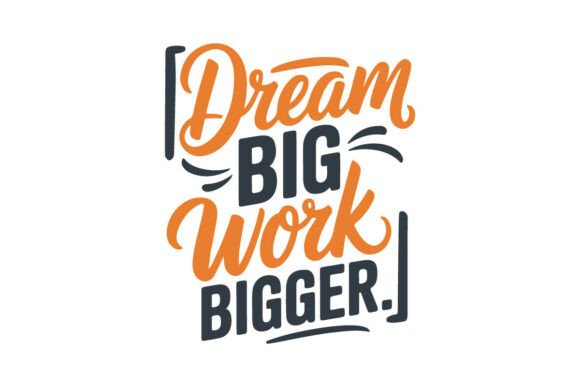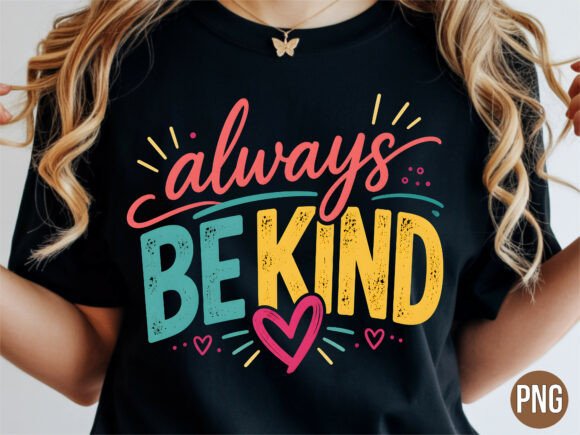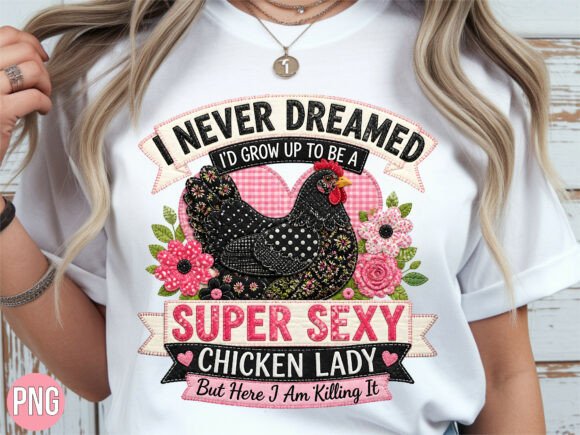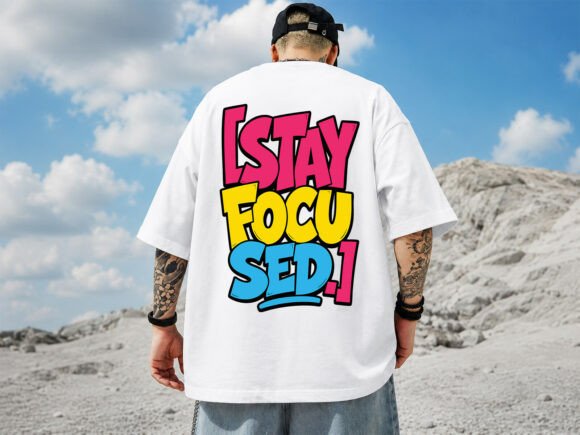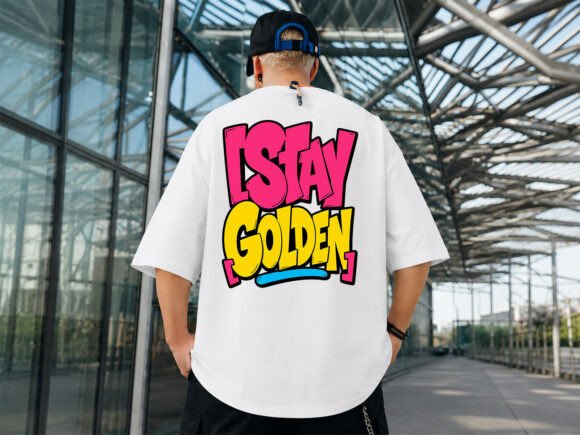
Motivational Typography T-Shirt Design
Wearing your mindset matters—especially when it’s printed with intention. A Motivational Typography T-Shirt Design isn’t just apparel; it’s a quiet, confident statement that bridges personal belief and public presence. Think of it as wearable clarity: bold letterforms, carefully chosen words, and intentional spacing—all working together to reinforce focus, resilience, or ambition without saying a word out loud.
These designs center on powerful quotes—like “Progress Over Perfection,” “Start Before You’re Ready,” or “Still I Rise”—rendered in contemporary typography styles: clean sans-serifs for minimalists, hand-drawn scripts for authenticity, bold condensed fonts for impact, or layered, textured layouts for visual depth. What sets them apart isn’t just aesthetics—it’s purpose-built functionality. Every element serves communication first, decoration second.
Why This Design Style Resonates Right Now
People don’t just buy t-shirts—they invest in identity cues. In a world saturated with generic slogans and overused stock phrases, a well-crafted Motivational Typography T-Shirt Design stands out because it feels human, not algorithmic. It avoids cliché by pairing timeless ideas with fresh visual treatment—like using negative space to shape the word “BREATHE” into a lung silhouette, or stacking “GRIND” vertically with subtle gradient shifts that mimic sunrise.
This resonance translates directly to engagement. Entrepreneurs wear these at pitch meetings—not to shout, but to anchor their own energy and signal grounded confidence. Fitness coaches use them in client onboarding kits to reinforce mindset shifts before the first rep. Educators print them for student leadership programs, turning abstract values like “Curiosity” or “Integrity” into tangible, daily reminders.
Designed for Real-World Flexibility
The included file package is built for action—not archive. With 100 editable, color-changeable vector files (EPS and SVG), you’re never locked into one palette. Swap navy for terracotta in seconds. Adjust stroke weight for a hoodie versus a phone case. Scale flawlessly from a 2-inch sticker to a 36-inch wall poster—no pixelation, no rework.
The high-res PNGs (4500×5400 px, 300 dpi) feature transparent backgrounds, so they drop cleanly onto product mockups, social posts, or presentation decks. No clipping masks. No background cleanup. That means faster turnaround for Print on Demand stores launching seasonal collections—or freelancers delivering branded merch for a startup’s team retreat.
Where These Designs Deliver Tangible Value
- Personal Branding: A photographer uses “Focus On The Frame” across her Instagram bio, website banner, and limited-run tees—creating visual consistency that reinforces her niche and voice.
- Educational Programs: A university wellness office prints “Rest Is Resistance” on cotton tote bags for mental health week—sparking conversation while avoiding clinical jargon.
- Small Business Marketing: A boutique gym offers members a free “Show Up For Yourself” tee with annual membership—turning loyalty into walking advocacy.
- Digital Content: Bloggers embed scalable SVG versions into newsletter headers or course workbooks, keeping typography consistent across platforms without loading delays.
- Classroom Culture: Middle school teachers print “Mistakes Grow Brains” on notebook covers—making growth mindset visible, tactile, and age-appropriate.
What Makes These Files Production-Ready
It’s not enough to look good on screen. These files were tested across real production workflows. The EPS exports cleanly to Brother embroidery software. The SVG layers respect Illustrator’s global swatches—so changing one color updates all matching elements instantly. PNGs are pre-optimized for DTG (direct-to-garment) printers: no stray pixels, no anti-aliasing artifacts near edges, and crisp contrast even on heather grey fabric.
Transparency isn’t just about aesthetics—it’s about efficiency. When placing a design on a dark hoodie mockup, you skip background deletion entirely. When prepping for mug printing, you avoid white ink underlays unless needed. That saves time, reduces errors, and cuts prepress costs—especially valuable if you’re managing multiple SKUs or seasonal drops.
Practical Tips for Getting the Most From Your Files
Start with context, not color. Before customizing, ask: Who sees this? Where? How close? A quote meant for a conference lanyard needs tighter kerning and higher contrast than one printed on a yoga mat. Test legibility at 75% scale—if it blurs or crowds, simplify spacing or choose a sturdier font variant.
Don’t default to black on white. Try charcoal on oatmeal, deep teal on cream, or warm rust on natural canvas. Soft contrasts often feel more premium and age better than high-contrast combos that scream “sale.” And remember: typography carries tone. A delicate script says “reflective”; a tight, geometric sans says “decisive.” Match the voice to the audience.
If you’re building a merchandise line, group designs by emotional intent—not just theme. Cluster “courage” quotes (“Try It Anyway,” “Speak Up”) separately from “calm” ones (“Breathe,” “Pause”) and “action” ones (“Do It Now,” “Ship It”). That makes inventory planning, marketing segmentation, and customer recommendations far more intuitive.
More Than Apparel—A Communication Tool
A Motivational Typography T-Shirt Design works hardest when it operates at the intersection of utility and meaning. It’s not decorative filler. It’s a tool for alignment—helping teams internalize shared values, students visualize abstract goals, or creators signal their creative non-negotiables.
That’s why these files matter beyond the print shop. They’re assets that scale across touchpoints: embroidered on a laptop sleeve, laser-etched on a wooden notebook cover, silkscreened on a conference tote, or animated subtly in an email header. Each use reinforces the same idea—without repetition, without fatigue.
When chosen thoughtfully, customized intentionally, and deployed consistently, this kind of design doesn’t just get noticed. It gets remembered. And sometimes, that’s exactly what someone needs to hear—not from a screen, but from the person standing beside them.